How ERP Solutions Transform Modern Businesses: A Complete Guide for 2026
In 2026 ,businesses are no longer struggling with a lack of data. Instead, the real challenge is managing data across departments—sales, HR, finance, operations, and customer support—without delays, duplication, or errors.
This is exactly where ERP (Enterprise Resource Planning) solutions play a critical role.
Modern ERP systems are not just accounting tools. They are central control systems that connect people, processes, and technology into one unified platform—helping businesses scale faster, operate smarter, and stay competitive.
This complete guide explains how ERP solutions transform modern businesses in 2026, why ERP adoption is accelerating in India, key benefits and trends, and how to choose the right ERP for long-term growth.
What Is ERP and Why It Matters in 2026
ERP stands for Enterprise Resource Planning. It is a software system that integrates all core business functions into one platform.
Instead of using separate tools for sales, HR, accounting, and operations, ERP brings everything together.
In simple words:
ERP helps businesses run faster, smarter, and with better control.
In 2026, ERP matters more than ever because:
- Businesses are digital-first
- Remote and hybrid work is common
- Data-driven decisions are essential
- Customers expect instant responses
- Compliance requirements are increasing
This is why ERP software India is now widely adopted by startups, SMEs, and enterprises.
How ERP Solutions Transform Modern Businesses
ERP transformation is not only technical—it is operational and strategic.
- Centralized Business Operations
One of the biggest challenges for growing businesses is scattered data. ERP creates a single source of truth.
With ERP:
- Sales data syncs with finance
- HR records connect to payroll
- Inventory updates reflect instantly
- Customer interactions link with CRM
This centralized approach is the foundation of modern business technology solutions.
Real example:
An Indian distribution company using Excel for inventory faced frequent stock mismatches. After ERP implementation, inventory accuracy improved by over 45% within six months.
- Real-Time Data for Better Decisions
Modern ERP systems provide real-time dashboards and analytics.
Business owners can:
- Track daily sales
- Monitor employee productivity
- Review pending payments
- Identify bottlenecks instantly
This real-time visibility makes ERP a core part of enterprise software India, especially for leadership teams.
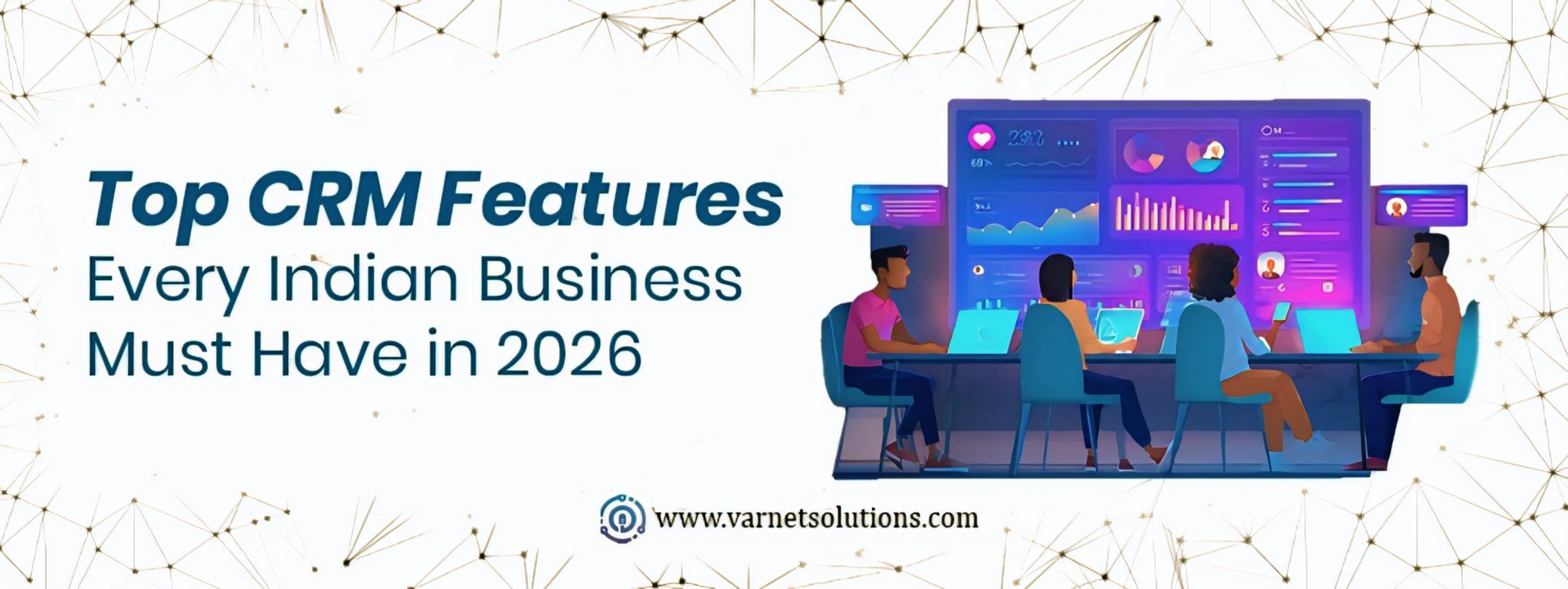
- Integrated CRM, HRM, and Finance
ERP systems unify:
- CRM HRM software solutions
- Accounting and finance
- Operations and workflow management
This integration eliminates duplication and miscommunication.
For example:
- A lead created in CRM reflects instantly in sales reports
- Employee attendance connects directly to payroll
- Customer service history syncs with billing
ERP becomes the backbone of business operations.
- Workflow Automation That Saves Time & Cost
Manual processes slow businesses and increase errors. ERP introduces workflow automation tools that:
- Auto-approve requests
- Trigger alerts and reminders
- Assign tasks automatically
- Reduce dependency on manual follow-ups
Automation improves:
- Productivity
- Accuracy
- Compliance
- Cost efficiency
On average, businesses using ERP automation reduce operational costs by 15–30%.
- Scalability for Growing Businesses
As businesses grow, basic software fails. ERP systems scale easily when you:
- Add new teams
- Open new branches
- Increase transactions
- Expand to new markets
This makes ERP ideal cloud ERP solutions for companies planning long-term growth in 2026 and beyond.
Cloud ERP vs Traditional ERP in 2026
In 2026, most businesses prefer cloud ERP solutions.
Benefits of cloud ERP:
- Lower upfront cost
- Faster implementation
- Automatic updates
- Remote access
- Better disaster recovery
Traditional ERP hosted on local servers is now limited to highly regulated industries. For most Indian businesses, cloud ERP offers better flexibility and ROI.
Step-by-Step Guide to ERP Implementation
Step 1: Identify Business Pain Points
Ask:
- Where do delays occur?
- Which processes are manual?
- Where do errors happen?
Step 2: Select Required Modules
Start with:
- CRM
- HRM
- Finance
- Operations
Step 3: Clean & Migrate Data
Ensure old data is accurate before migration.
Step 4: Train Employees
ERP success depends on adoption, not just installation.
Step 5: Measure ROI
Track:
- Time saved
- Cost reduction
- Process improvement
Common ERP Myths (Busted)
Myth 1: ERP is only for large enterprises
Truth: SMEs and startups benefit the most from ERP.
Myth 2: ERP is too expensive
Truth: Cloud ERP offers affordable subscription models.
Myth 3: ERP takes years to implement
Truth: Modern ERP systems can go live in weeks.
Myth 4: ERP replaces employees
Truth: ERP supports employees by removing repetitive tasks.
Top ERP Trends to Watch in 2026
- AI-Powered ERP
- Predictive analytics
- Smart recommendations
- Automated insights
- Mobile ERP
- Real-time access on mobile devices
- Faster approvals and monitoring
- Industry-Specific ERP
- Customized solutions for finance, healthcare, logistics, and retail
- Communication-Integrated ERP
- ERP connected with WhatsApp, calling, and email
These trends are shaping future-ready business technology solutions.
ERP for Compliance and Security
ERP systems help businesses:
- Maintain audit trails
- Track approvals
- Follow GST, payroll, and tax laws
- Secure sensitive data
This is crucial for Indian businesses in 2026, where regulatory requirements continue to evolve.
Why Choose Varnet Solutions – IT Services
Varnet Solutions – IT Services helps businesses adopt smart, scalable ERP platforms designed for real operational needs.
Our ERP ecosystem includes:
- Centralized CRM, HRM, and finance
- Advanced workflow automation tools
- Integrated WhatsApp communication (VCHAT)
- Built-in KYC and Dialer systems
- Secure cloud ERP solutions
We focus on practical ERP implementation, not just software delivery.
Frequently Asked Questions (Q&A)
Q1. Is ERP suitable for Indian SMEs in 2026?
Yes. Modern ERP software India is designed specifically for SMEs.
Q2. How long does ERP implementation take?
Cloud ERP implementation typically takes 4–12 weeks.
Q3. Can ERP integrate CRM and HR systems?
Yes. ERP includes CRM HRM software solutions as core modules.
Q4. What is the biggest benefit of ERP?
Centralized control, automation, and real-time visibility.
Q5. Is cloud ERP secure?
Yes. Reputed providers follow global security and compliance standards.